Marrakesh: A Designer’s Dream for Inspiration
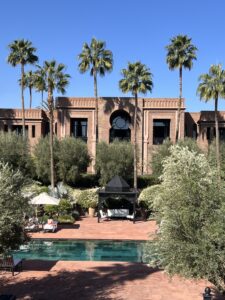
On a recent visit to Marrakesh, I stayed at the beautiful Selman Marrakech, a hotel that perfectly captures the city’s sense of theatre, craftsmanship and understated glamour. One of its most memorable features is its magnificent Arabian horse stables, where architecture, landscaping and equestrian tradition come together in an extraordinarily elegant way.
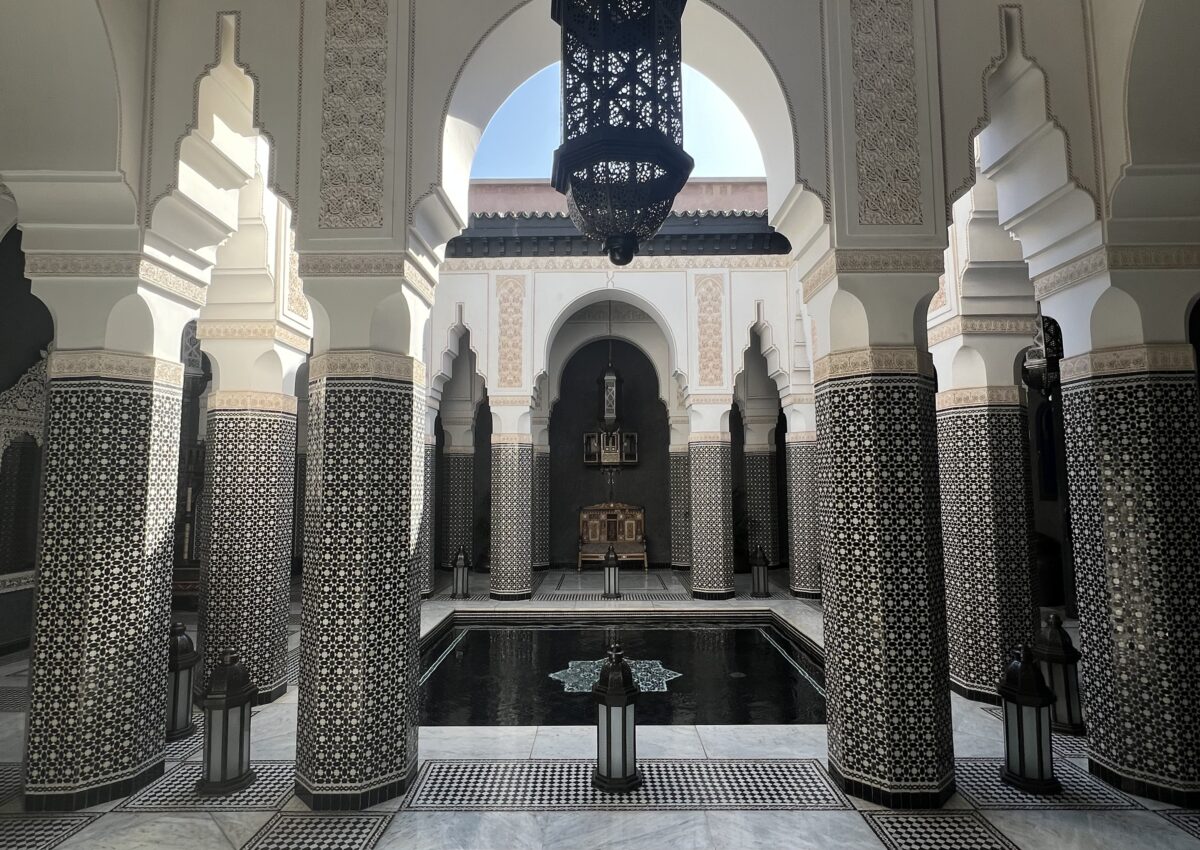
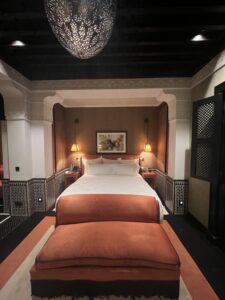
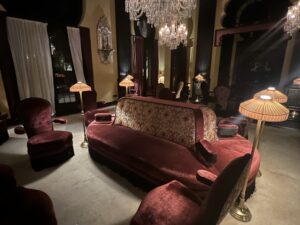
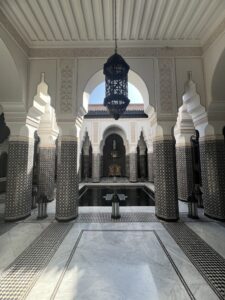
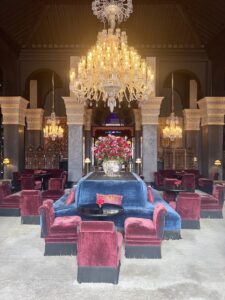
Throughout the hotel — and across Marrakesh itself — I was struck by the richness of the materials and the confidence of the design: intricate zellige, carved plasterwork, warm terracotta, dark timber, patterned textiles and flashes of jewel-like colour. It is a wonderful reminder that interiors can feel luxurious without being overly polished; often it is the layering of texture, craftsmanship and history that gives a space its soul.
One of the most inspiring aspects of staying at Selman Marrakech was the hotel’s relationship with its Arabian horses. The stables are not treated as a separate, functional part of the property, but as an integral part of its identity. There is a sense of theatre and romance to them, but also extraordinary attention to detail: beautifully proportioned architecture, traditional finishes, elegant ironwork, tactile natural materials and a strong connection to the landscape.
What stayed with me most was the way the hotel layers history, craftsmanship and texture without ever feeling themed. Nothing feels overly decorative for the sake of it. Instead, the richness comes from the quality of the materials and the skill behind them: carved surfaces, aged timber, leather, plaster, stone and intricate metalwork all sit together naturally. The equestrian heritage adds another layer of authenticity, giving the interiors a story and a sense of place rather than simply a polished aesthetic.
That is something I would always take into a client project. A successful interior should feel collected rather than overly coordinated. I like to combine contrasting textures — perhaps smooth stone with aged timber, soft linen or velvet with leather, or refined joinery alongside something more handcrafted — because those contrasts create depth and make a room feel more personal.
The Selman also reinforced the importance of craftsmanship. Bespoke details, whether in cabinetry, metalwork, upholstery or decorative finishes, can completely change the character of a space. I would rather introduce a smaller number of beautifully made, meaningful pieces than fill a room with things that do not have the same sense of permanence or individuality.
There is also a lesson in restraint. Although the hotel is rich in detail, the overall effect is calm because each element feels considered. In my own projects, that translates into allowing materials to breathe, repeating certain finishes to create continuity, and using statement pieces selectively so that they have real impact.
More than anything, Selman reminded me that the most memorable interiors often have a narrative. They reflect where they are, who lives there and something of the history behind the space. That sense of authenticity is what gives an interior longevity — and it is something I always try to build into my own work. In Marrakesh, much of the character is expressed through colour, pattern and beautifully layered materials.
A Tapestry of Colour and Pattern
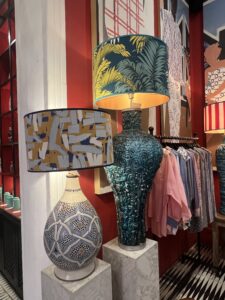
What I noticed most in Marrakesh was the freedom with which colour and pattern are used. Deep cobalt blue, earthy terracotta, ochre and soft plaster tones sit alongside elaborate geometric tiles and richly woven fabrics. For a designer, the lesson is not necessarily to recreate Moroccan interiors literally, but to take inspiration from their confidence — using pattern, texture and colour to create warmth, depth and individuality.
Textures That Tell a Story
Wander through the souks, and you’ll find a stunning array of handcrafted materials—handwoven Berber rugs in deep reds and blues, soft sabra silk cushions, and hammered brass lanterns that cast mesmerizing shadows. These artisanal touches bring warmth and authenticity to contemporary interiors, offering a connection to centuries-old craftsmanship.
The Magic of Riads
Traditional Moroccan homes, or riads, are masterpieces of design. With their serene courtyards, carved cedar doors, and mosaic-adorned fountains, they showcase the beauty of indoor-outdoor living. The interplay of natural light and shadow, combined with lush greenery, creates a tranquil retreat that designers can draw inspiration from when creating intimate, soulful spaces.
Marrakesh’s Influence on Modern Interiors
The city’s influence is seen in global design trends, from bohemian-chic interiors filled with Moroccan poufs and layered textiles to contemporary spaces incorporating arched doorways and brass fixtures. Whether it’s a subtle touch or a full embrace of Moroccan style, Marrakesh offers a wellspring of ideas for creating spaces that feel luxurious, grounded, and deeply personal.
For designers seeking fresh inspiration, Marrakesh is more than just a destination—it’s an experience that lingers, shaping creativity long after the journey ends.
Looking to bring a touch of Marrakesh into your home? Explore our curated collection of Moroccan-inspired décor pieces.