From richer colour and expressive craftsmanship to interiors with more personality, the new season feels less about following a prescribed look and more about creating rooms with character.
There is always something energising about the beginning of a new season. It is the moment when the interiors world seems to sharpen into focus again: new fabrics arrive, exhibitions open, designers reveal collections and suddenly certain ideas begin appearing repeatedly.
This autumn, however, what interests me most is that there does not seem to be one dominant “look”. Instead, I am seeing a broader shift towards interiors that feel more individual, more tactile and considerably more confident.
Recent House & Garden coverage has picked up on exactly this change. Its October decoration issue highlights joyful pattern and colour alongside practical design, while its wider 2026 reporting suggests that the pared-back “quiet” interior is evolving towards rooms with greater soul and personality.
For me, that is a much more interesting starting point than a conventional trend forecast.
Colour is becoming richer
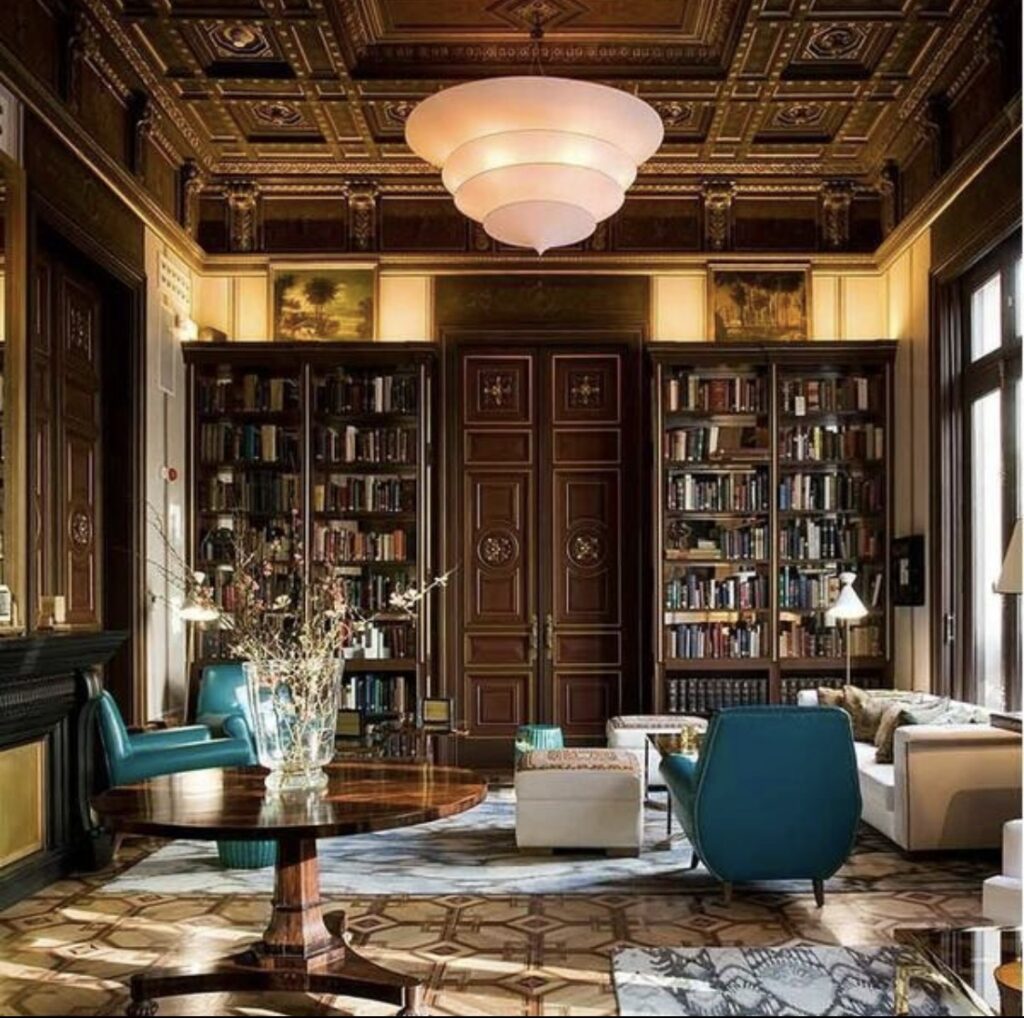
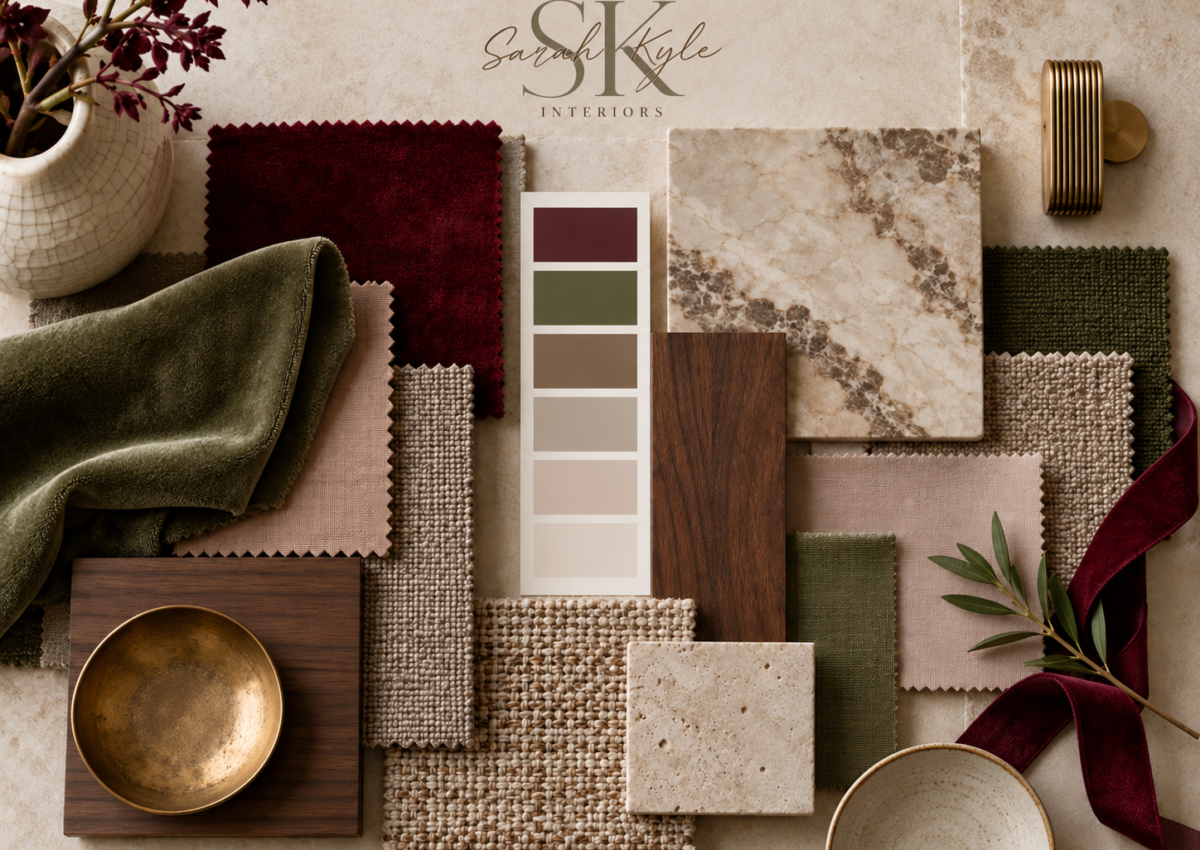
Perhaps the most obvious seasonal change is colour. After several years dominated by chalky neutrals, we are seeing deeper shades returning: berry tones, burgundy, tobacco, olive, warm browns and strong blues.
House & Garden recently drew inspiration from the autumn landscape itself — blackberries, fading greens and deep mulberry tones — while its September selection focused on autumnal colours, warm metallics and richer textures.
I particularly like these colours because they do not necessarily need to dominate a room. A deep oxblood chair against a neutral wall, a tobacco velvet cushion, an aubergine lampshade or an olive-green piece of joinery can completely alter the atmosphere of a space.
When designing for a client, I am generally more interested in introducing colour in a way that can live comfortably with them for years than in creating a room around whichever shade happens to be fashionable that season.
The new palette gives us plenty to work with.
Texture matters as much as colour
Another idea I keep returning to is texture.
At WOW!house this year, richly tactile surfaces appeared across very different styles of interior — from carved architectural details to sumptuous fabrics and layered wall treatments. Cocooning rooms, in particular, emerged strongly.
This is something I think translates beautifully into residential design. A room can be almost entirely neutral and still feel luxurious if it contains enough contrast between materials: linen, velvet, wool, timber, plaster, stone and aged metal.
I often think this is where photographs can be misleading. We tend to judge interiors visually, yet when we actually inhabit a room, touch matters enormously. The softness of a sofa, the weight of a curtain, the feel of a timber handrail or the texture beneath our feet all contribute to how comfortable a space feels.
That is why material selection is never just decorative.
Pattern — but with breathing space
Pattern is returning too, but in a more considered way.
The current mood feels less like traditional maximalism and more about choosing a few elements with real impact. House & Garden has recently described this as “power decorating”: strong colour and pattern used selectively rather than filling every available surface.
I find that distinction particularly useful.
A patterned armchair against plain walls can be far more effective than covering an entire room in competing motifs. Likewise, a striking wallpaper might become the backdrop to relatively restrained furniture.
Pattern works best when the eye has somewhere to rest.
And for clients who are slightly nervous about it, this is often the perfect way in: one element that introduces energy without asking them to commit the entire room.
Craftsmanship is becoming visible again
Another direction I am enjoying is the renewed emphasis on making.
Contemporary design is increasingly celebrating pieces where you can see evidence of the craft behind them.This autumn’s design calendar reflects that strongly. Decorex is again placing established design houses alongside makers and specialist craftspeople, while House & Garden’s current Design Now coverage focuses on artists, artisans and pieces that blur the line between furniture and art.
This is something I would always encourage within a client scheme.
Not everything needs to be bespoke, but one beautifully made piece can elevate everything around it.It might be a handmade light, a sculptural table, bespoke joinery, a specialist wall finish or a rug made specifically for the room.
These are often the elements that people continue noticing years later.
Interiors are becoming more personal
Perhaps the biggest shift, though, is away from rooms that look as though they could belong to anyone.
There is a growing appetite for homes with history, humour and individuality. That might mean mixing an inherited piece with contemporary furniture, displaying artwork collected over years or allowing an object brought home from travelling to sit somewhere unexpected.
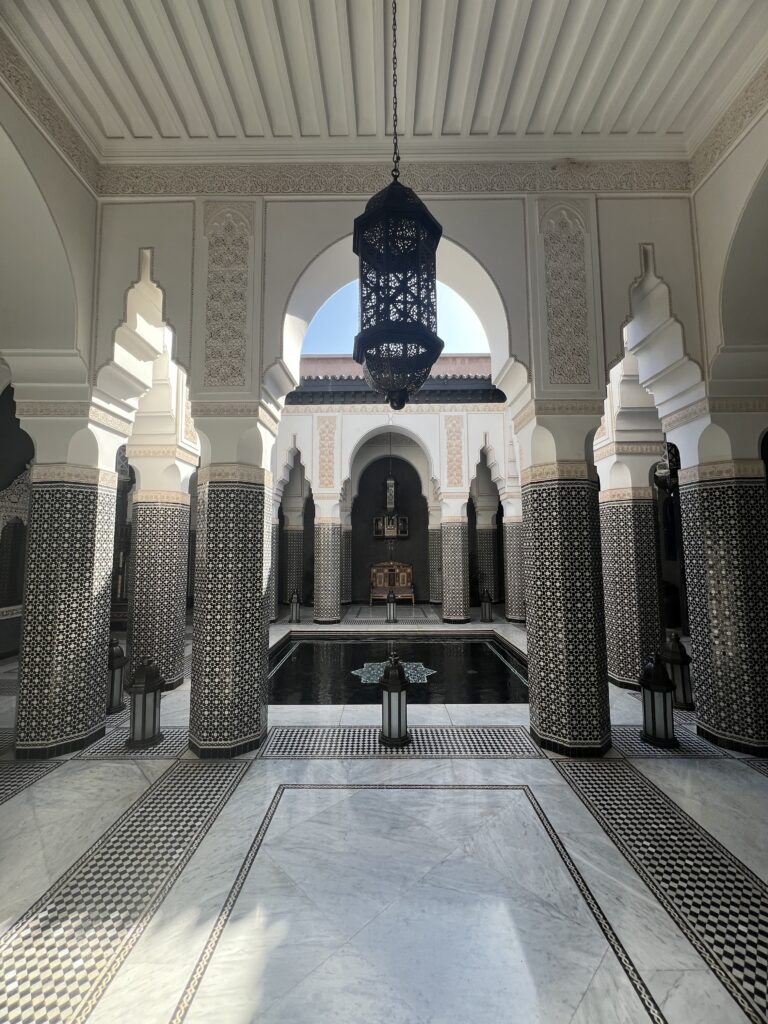
It is something I notice repeatedly when I travel. In Paris, the most interesting interiors often mix periods effortlessly.In Italy, beautiful materials and craftsmanship provide a connection between contemporary design and centuries-old architecture. In Comporta, simplicity comes not from removing personality but from allowing natural materials, handmade objects and the landscape itself to do the work.
None of those places needs to be copied literally. What matters is what we learn from them.
So what am I taking into client projects this season?
- More confidence with colour.
- More emphasis on texture.
- Fewer pieces, but more interesting ones.
- A willingness to mix different eras.
And perhaps most importantly, less concern about whether everything “matches”. The best interiors rarely do.They contain tension: old beside new, polished beside rough, colour beside calm, something precious beside something discovered almost by accident – That is what gives a room life.
So while I will always follow what is happening in the design world, I don’t believe the purpose of a new season is to reinvent a client’s home. It is to notice new ideas, absorb them and decide which ones might add something meaningful.
Trends can provide inspiration.
But ultimately, a home should tell the story of the people who live there — not the season in which it was decorated