There are few cities where architecture feels quite so alive as Barcelona. Every street reveals another chapter of its history—from medieval Gothic stonework to the exuberance of Catalan Modernisme—and nowhere is this dialogue between old and new more beautifully expressed than in its interiors. For designers, it is less a city break than an open-air design school.
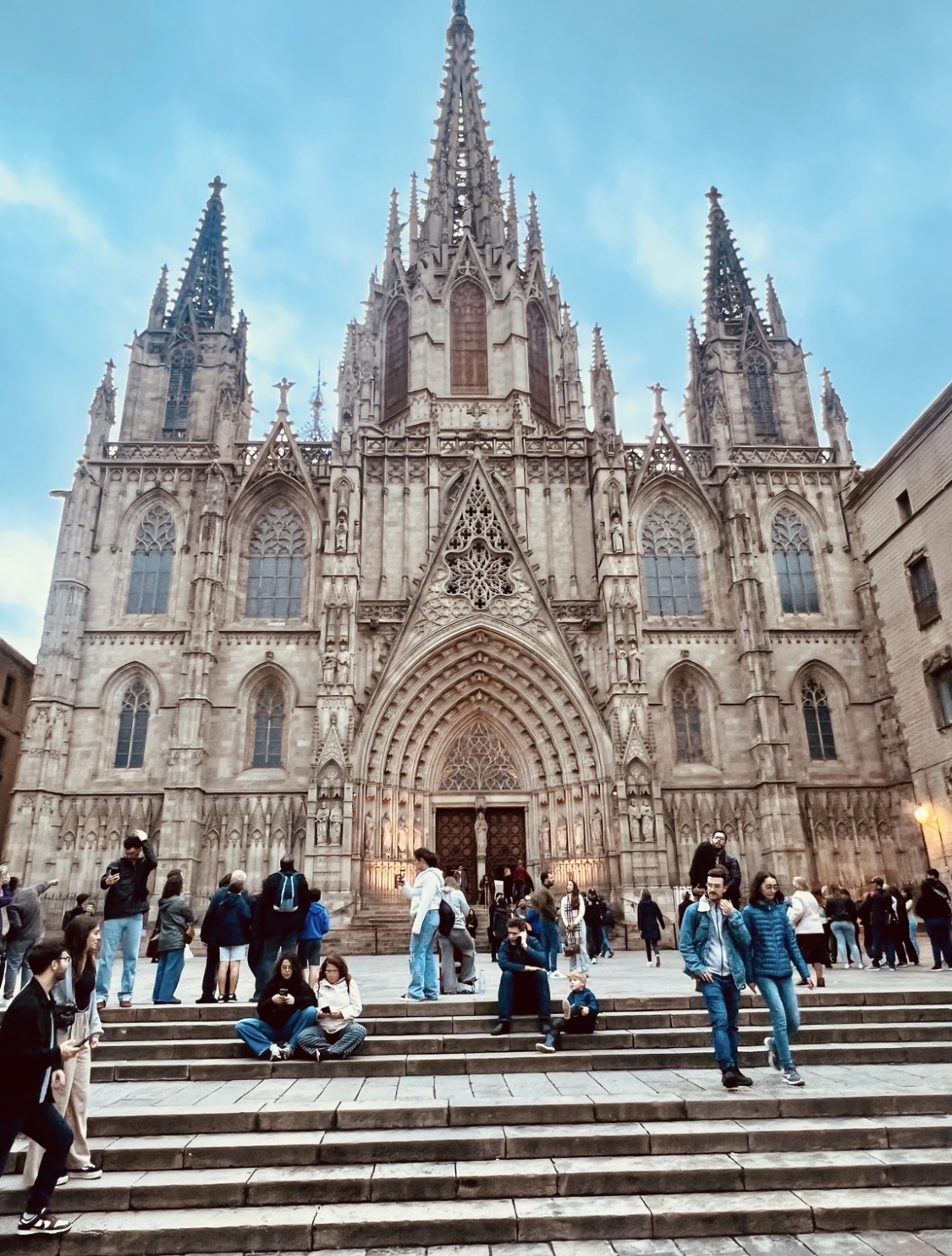
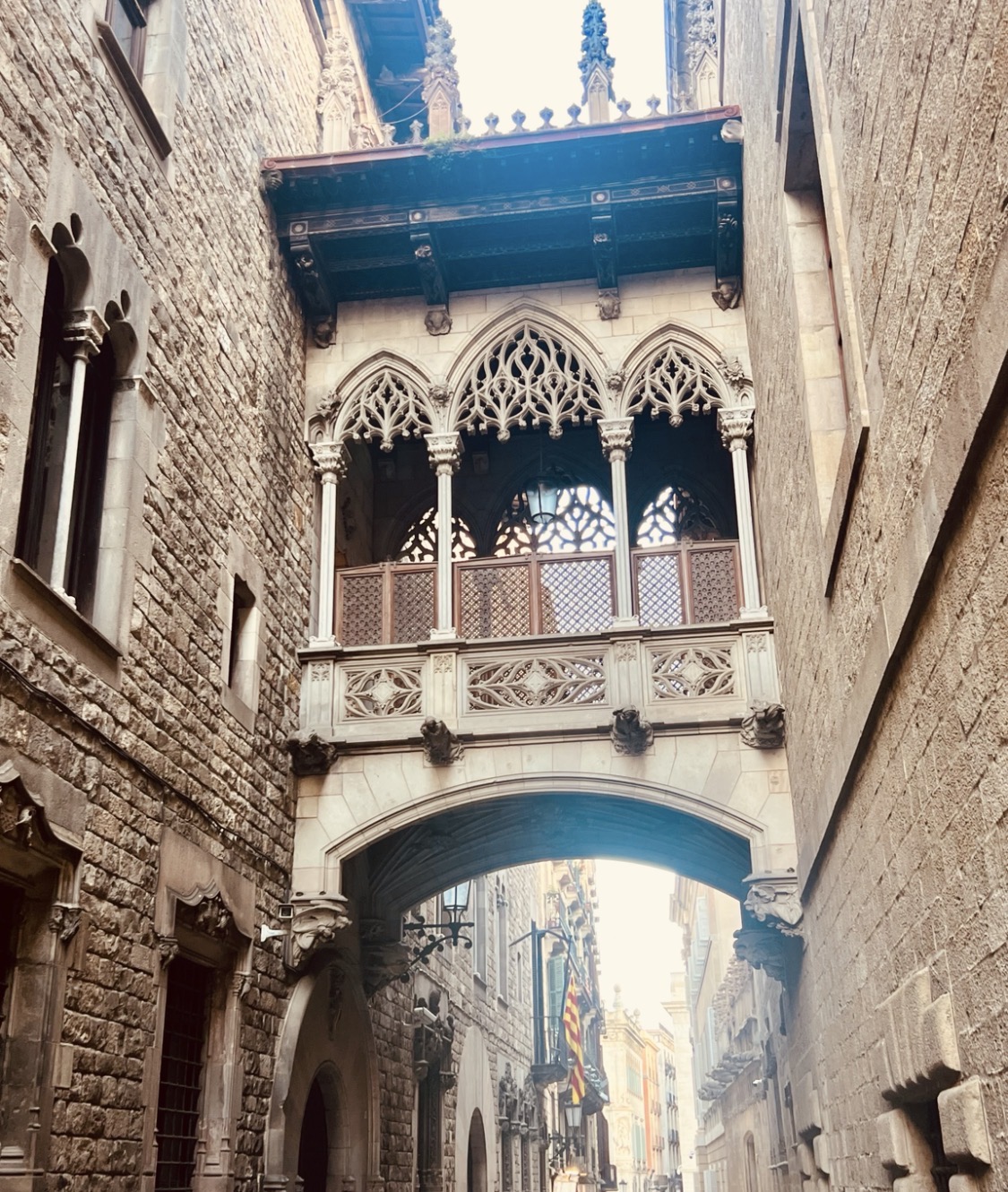
My first impression was of the Barcelona Cathedral, its soaring Gothic façade rising above the lively square below. Standing at its entrance, I found myself studying the delicate tracery, carved pinnacles and rhythm of the pointed arches. There is a quiet confidence to Gothic architecture; ornament is abundant yet never excessive, each detail serving the harmony of the whole. Wandering through the surrounding streets of the Barri Gòtic, hidden courtyards, carved balconies and centuries-old stone buildings reveal themselves one after another, rewarding those who slow their pace and simply look up.
Just a short walk away, Barcelona’s creative spirit shifts dramatically. The illuminated façade of the Palau de la Música Catalana is perhaps one of the city’s greatest lessons in decorative design. Rich brickwork, sculptural stone, hand-painted ceramics and intricate mosaics combine to create a building that is both theatrical and exquisitely crafted. It perfectly demonstrates how architecture, interiors and decorative arts can become one seamless composition.
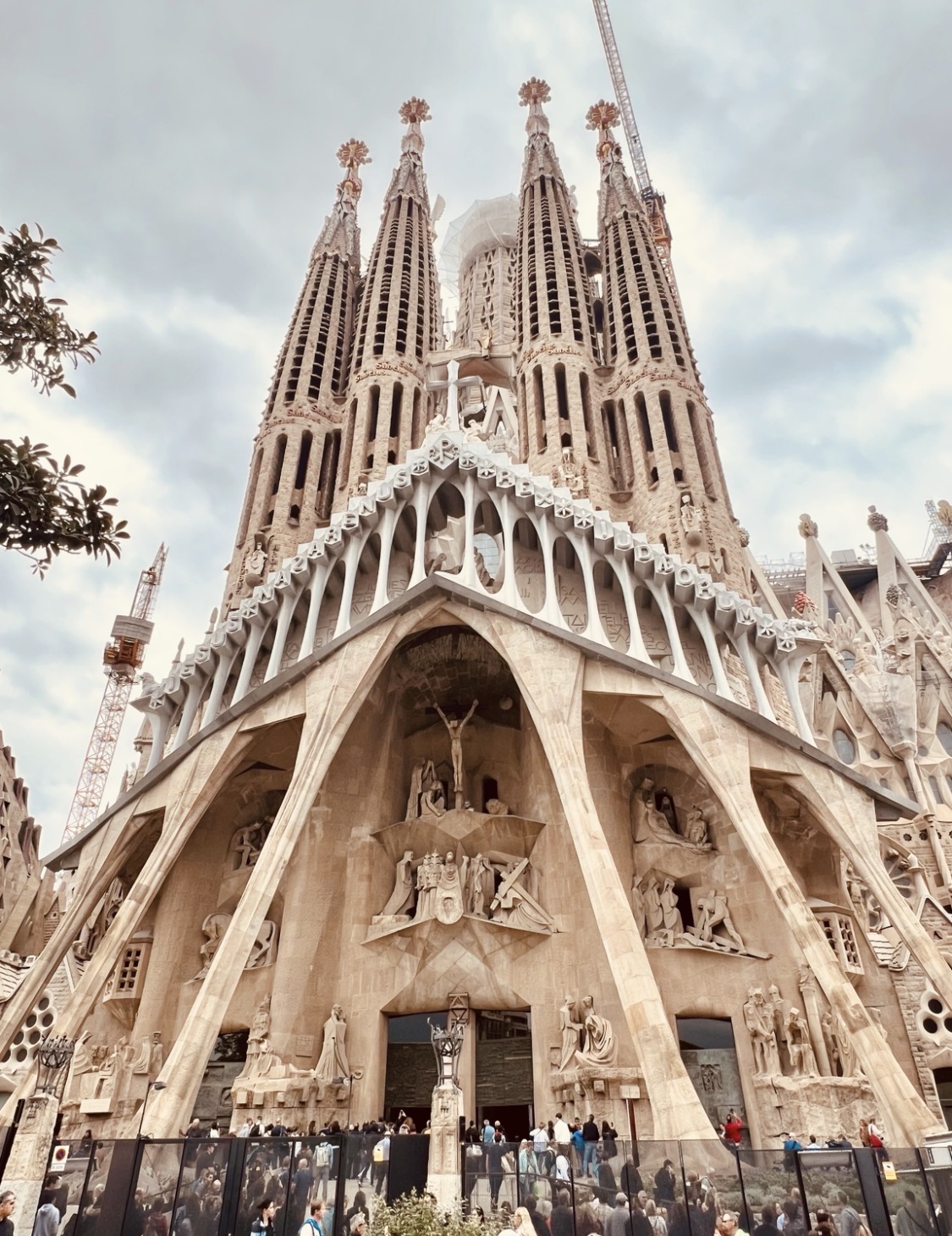
No design pilgrimage, however, would be complete without Antoni Gaudí’s Sagrada Família. Photographs never quite prepare you for the extraordinary scale and imagination of the basilica. The façades seem almost sculpted by nature itself, while inside, columns branch like trees to create a stone forest flooded with coloured light. It is architecture that evokes emotion before analysis, reminding us that great design should always inspire wonder.
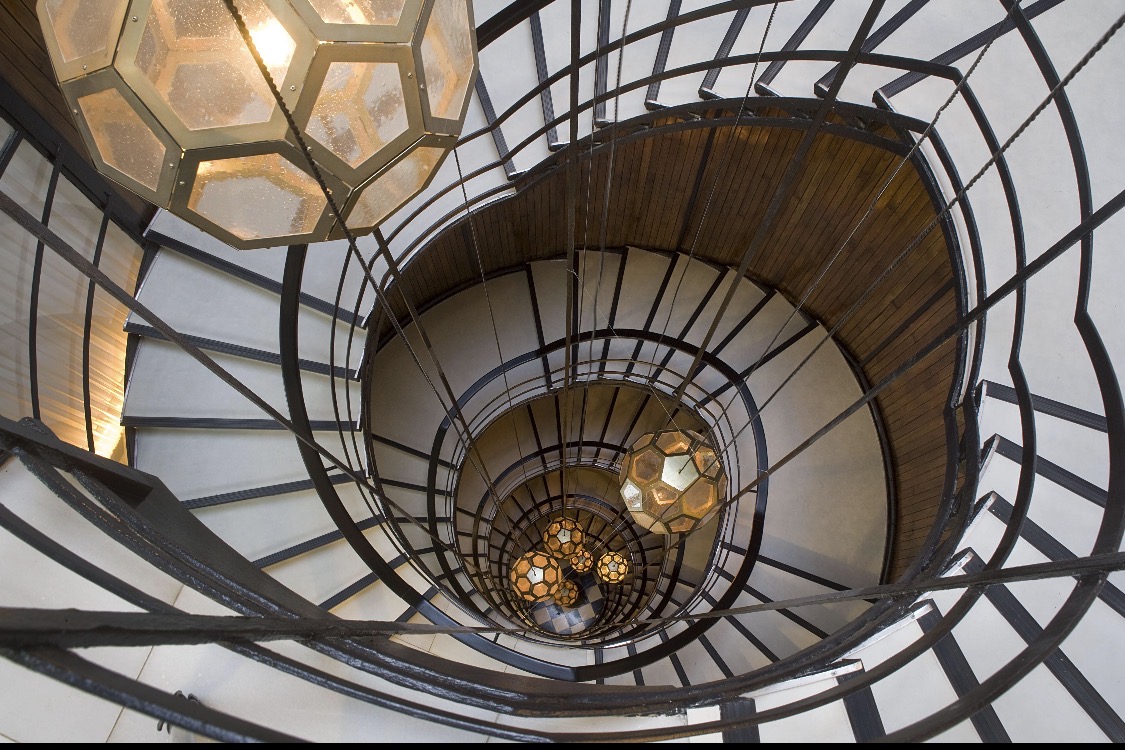
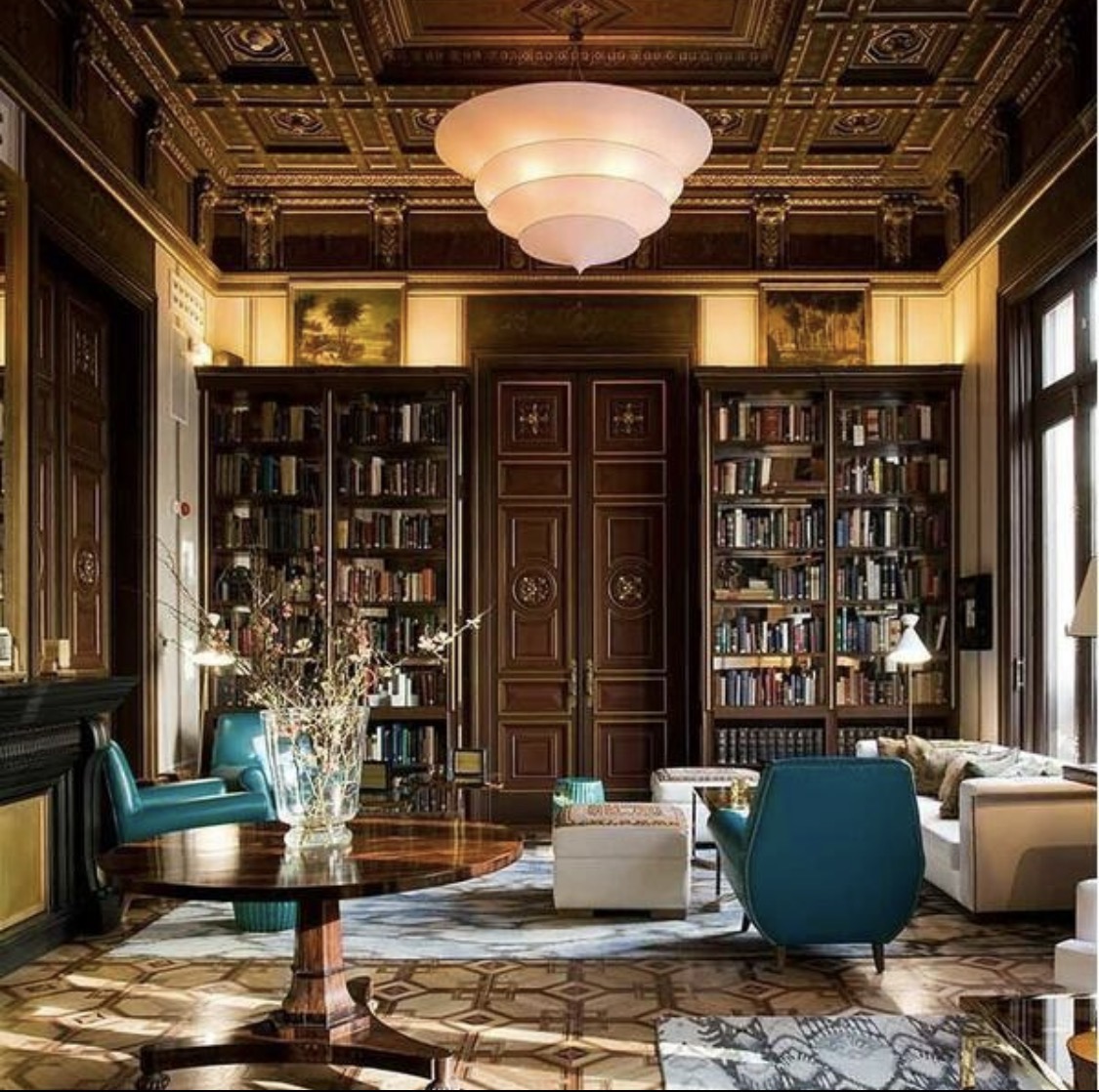
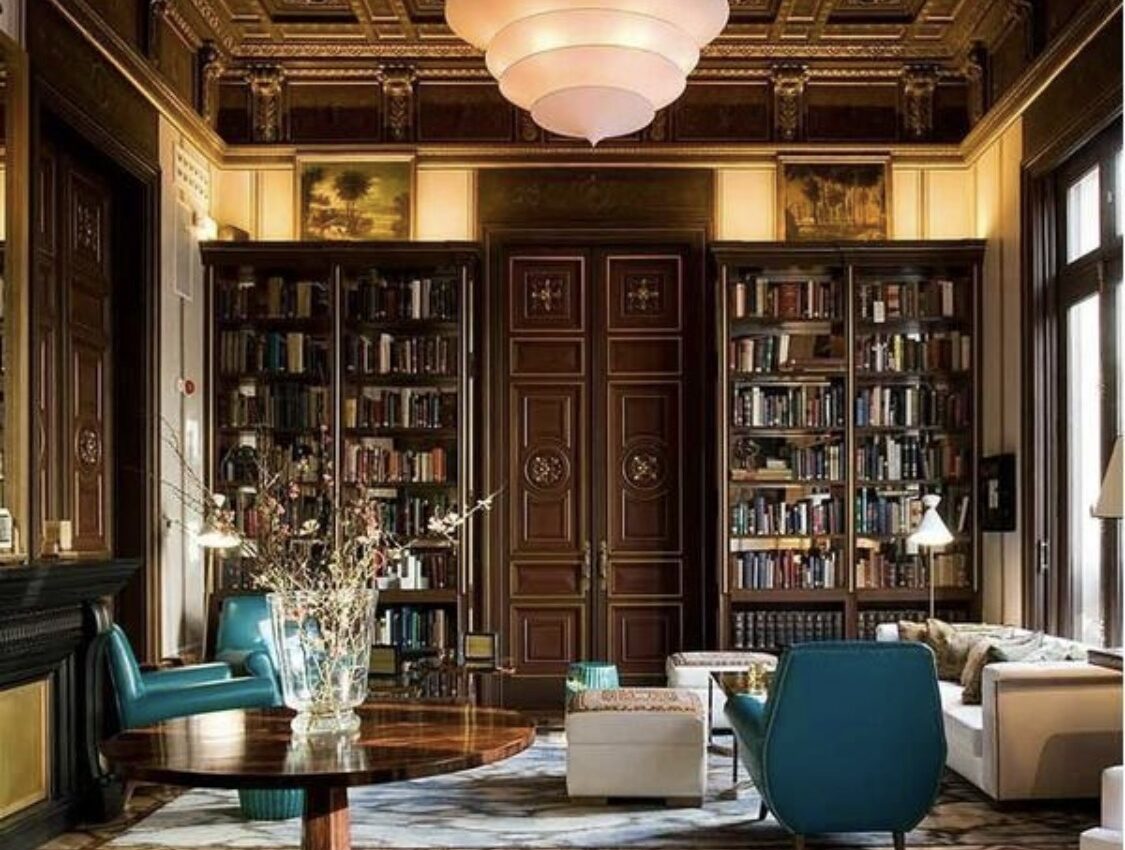
For this visit, I chose to stay at the Cotton House Hotel, one of Barcelona’s finest examples of adaptive reuse. Once the headquarters of the city’s Cotton Textile Foundation, the building has been sensitively transformed into a luxurious hotel that celebrates its nineteenth-century heritage. A magnificent marble staircase sweeps through the heart of the building, while restored frescoes, elegant mouldings and richly detailed timber joinery sit effortlessly alongside contemporary furnishings. The result feels timeless rather than nostalgic—a masterclass in how historic architecture can be respectfully reimagined for modern living.
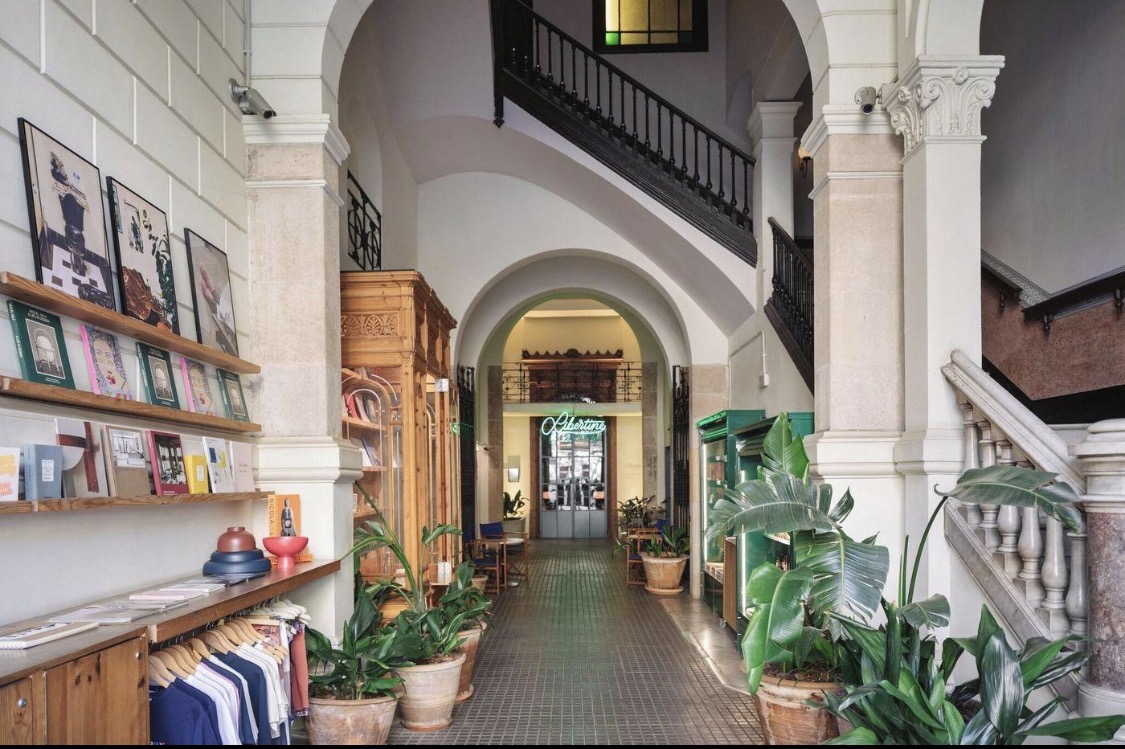
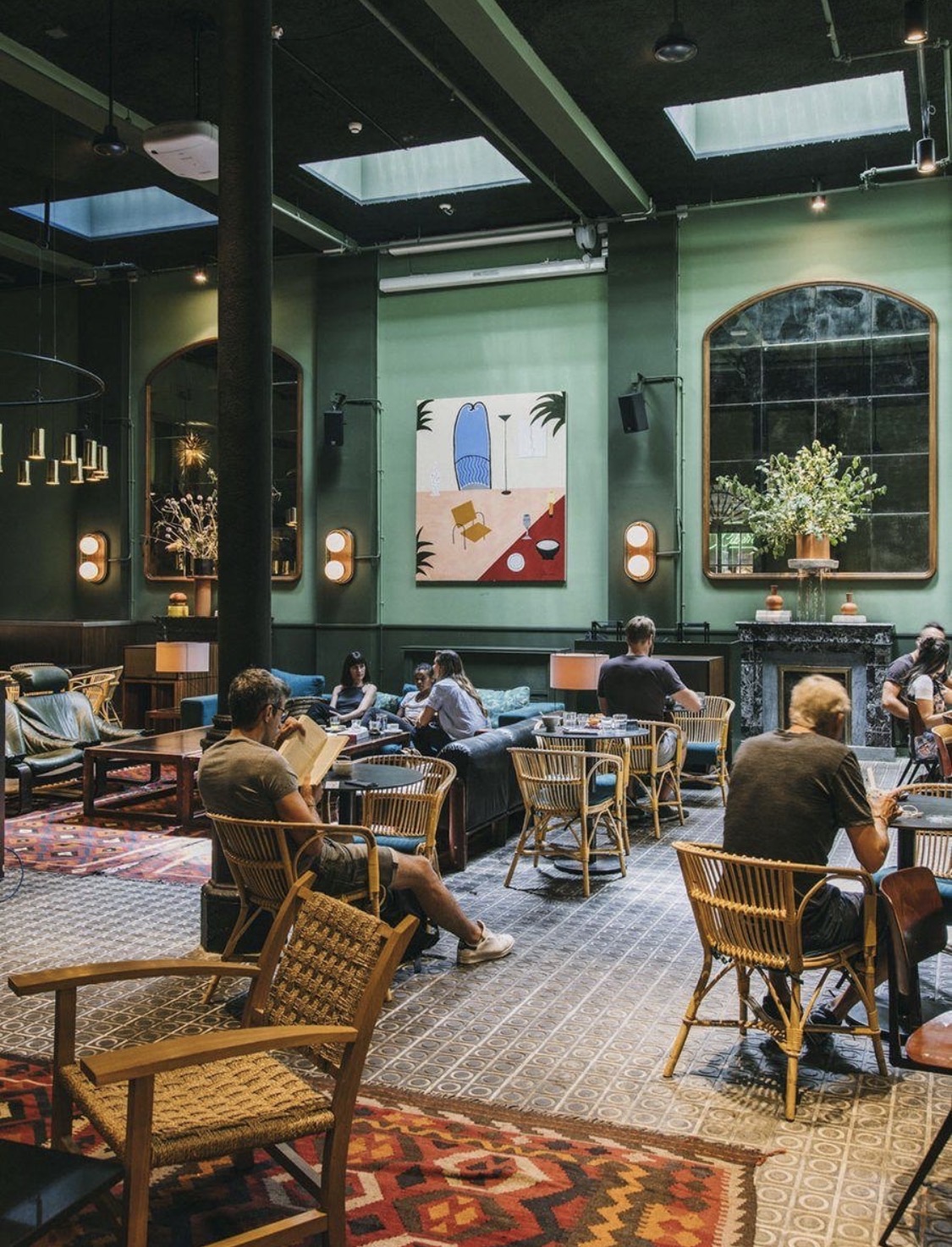
For those seeking further inspiration, Casa Bonay offers a more relaxed Mediterranean aesthetic, where Catalan vaulted ceilings, handcrafted ceramics, linen upholstery and bespoke oak joinery create interiors that feel authentic, layered and effortlessly contemporary.
Beyond the landmark buildings and celebrated hotels, Barcelona’s greatest lesson lies in its everyday details. Brass door furniture polished by generations of hands, encaustic tiled floors, wrought iron balconies, shaded courtyards filled with citrus trees and beautifully designed cafés all contribute to a city where craftsmanship remains central to daily life.
As designers, we often search for the next trend, yet Barcelona gently reminds us that enduring interiors are built upon quality materials, thoughtful proportion and exceptional craftsmanship. It is a city that encourages observation, rewards curiosity and leaves every visitor returning home with a notebook full of ideas—and a renewed appreciation for the timeless beauty of design.